Homr
حمر
Draft: needs vet reviewGulf breed
- Type
- Camels
- Region
- Saudi Arabia
- Main use
- Milk, meat
- Known for
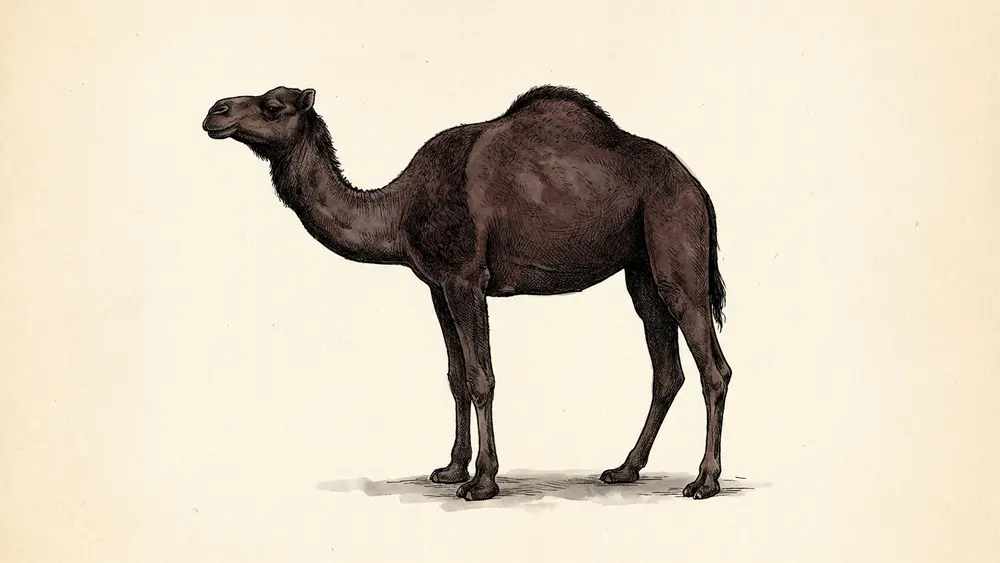
- Dark-coated group with the Majaheem
Quick facts
This information is general. For doses and treatment, always ask your vet.
About
Dark-coated group with the Majaheem
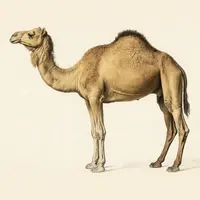
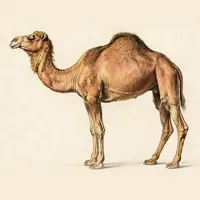
Real photos are coming, each with the photographer's name and license.
Benefits & uses
Milk, meat
MeatMilk
Food
Desert browse, alfalfa or hay, barley or dates for working camels. Salt freely, full drinks when water is offered.
Common vaccines
Camel pox, clostridial, haemorrhagic septicaemia, Rift Valley fever where advised.
Draft: needs vet review
Water and general notes: Water: 30-60 liters per day if drinking daily, and lactating camels need more. Camels need more salt than other animals: about 100-150 g per day or a salt lick available at all times.
Feeding by stage and goal
| Stage | Weight / goal (kg) | Intake (% of weight) | Ration protein (%) | Energy TDN (%) | Daily ration example |
|---|---|---|---|---|---|
| Suckling calf (0-6 months) | 30-100 | 16-18 | 70 | Colostrum first 6 hours, mother's milk, and from the first month Alfalfa hay and starter | |
| Weaned grower (6-18 months) | 100-250 | 2-2.5 | 14-16 | 60-65 | 3-5 kg Alfalfa hay + 1-2 kg concentrate |
| Fattening (Hiran) | 150-350 | 2-2.5 | 12-14 | 65-70 | 3-5 kg concentrate + Alfalfa hay or straw. Gain 0.5-0.8 kg daily |
| Dry she-camel (maintenance) | 450-650 | 1.5-2 | 8-10 | 50-55 | Grazing and desert plants, or 8-10 kg hay and straw + 1 kg barley |
| Gestation: last 3 months | 450-650 | 2 | 11-12 | 60 | Maintenance ration + 2-3 kg concentrate |
| Lactating she-camel | 450-650 | 2.5-3 | 13-15 | 60-65 | 8-10 kg Alfalfa hay + 3-5 kg concentrate (about 0.4-0.5 kg per liter) |
| Breeding male | 600-800 | 2 | 10-12 | 60 | Roughage + 3-4 kg barley in breeding season (winter) |
| Racing and work | 300-450 | 2-2.5 | 12 | 70 | Alfalfa hay + barley or oats and dates depending on effort |
Concentrate mixtures (parts per 100 kg)
| Mixture | Minerals/Vitamins | Salt | Limestone | Dates or Molasses | Soybean meal 44% | Bran | Yellow corn | Barley | Approx. protein |
|---|---|---|---|---|---|---|---|---|---|
| Lactating she-camels and fattening | 1 | 2 | 1 | 2 | 12 | 22 | 15 | 45 | 15٪ |
For calves (Hiran), use calf starter.
Vaccine and care calendar, from birth to sale
| Age / timing | Action |
|---|---|
| Day of birth | Colostrum within 6 hours, disinfect navel with iodine |
| 3 months | Clostridial diseases first dose, booster after 4 weeks, first deworming |
| 6 months | Camel pox, Hemorrhagic septicemia |
| According to the region | Rift Valley fever and Rabies where recommended |
| Every year | Camel pox, Clostridial diseases, Hemorrhagic septicemia |
| Every 3-6 months | Deworming, spraying against mange and ticks, control of flies that transmit Trypanosomiasis (Surra) |
| Last two months of gestation | Booster dose of clostridial vaccine for the she-camel |
| Before sale, slaughter, or selling milk | Make sure the withdrawal period for the last medication has passed |
Common diseases
| Disease | Signs | What to do | Prevention |
|---|---|---|---|
| Camel Pox | Fever and pustules on the lips and head then the body, especially in calves (Hiran) | Isolate and call a vet | Annual vaccination |
| Mange | Severe itching, hair loss, thickened skin | Vet, and treat the whole herd together | Isolate the infected, periodic spraying |
| Trypanosomiasis (Surra) | Weakness and emaciation, anemia, intermittent fever, abortion | Vet after a blood test | Control of biting flies |
| Calf Diarrhea (Hiran) | Diarrhea, dehydration, weakness in the first weeks | Oral rehydration solution immediately and a vet | Sufficient colostrum, cleanliness |
| Brucellosis | Abortion, and may show no symptoms. Transmitted to humans from raw milk | Vet and report | Periodic testing, boil milk before drinking |
| Middle East Respiratory Syndrome (MERS-CoV) | Often asymptomatic, or mild nasal discharge in calves. Can be transmitted to humans | Vet and report | Wash hands after handling, boiled milk |
| Mastitis | Hot and swollen udder, altered milk | Vet | Milking hygiene |
Related breeds
Track your Homr herd with Qatee3
Join the waitlistThis information is general. For doses and treatment, always ask your vet.